How to Run an Offsite That Sparks Real Change
A practical guide for leaders who want their offsite meetings to move beyond talk and produce lasting action.

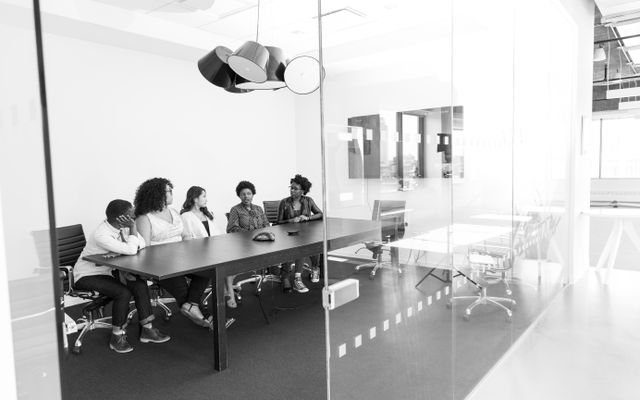
Photo: FROET / Pexels
Set a Clear, Action‑Driven Purpose
Start by defining a single, tangible outcome you want the team to achieve by the end of the offsite. Avoid broad themes like “team building” or “strategy alignment.” Instead, frame the purpose around a concrete goal—such as designing a new customer journey map or drafting a revised product roadmap. Communicate this purpose to every participant before the trip so that everyone arrives with the same focus.
Choose a Setting That Encourages Focus
Select a venue that removes everyday distractions. A quiet cabin, a coastal retreat, or a conference center with minimal Wi‑Fi can help participants stay present. Ensure the space supports the activities you plan: a room with a whiteboard for brainstorming, a kitchen area for informal meals, and a quiet corner for reflection.
When arranging logistics, keep the schedule lean. Long, back‑to‑back sessions can lead to fatigue and dilute focus. Include short breaks, time for informal conversations, and moments for individual reflection. This rhythm keeps energy high and minds sharp.
Structure Sessions Around Decision Points
Each activity should lead to a clear decision or next step. For instance, a workshop on product features could end with a prioritized list of three items to prototype next quarter. Avoid sessions that merely generate ideas without a mechanism to capture who owns what and when it will happen.
Use facilitation tools that surface commitments. A simple approach is the “Action Owner” slide: after a discussion, write the decision, assign an owner, and set a tentative deadline. Capture these on a shared board that remains visible throughout the offsite.
Encourage Diverse Voices Early
Start each session by inviting input from all attendees, especially those who are not in leadership roles. A regional retailer might bring a frontline sales rep to share customer insights, while a ten‑person agency could have the junior designer speak about user feedback. Early inclusion of diverse perspectives often uncovers blind spots and fuels richer solutions.
Create a safe space for honest dialogue by establishing simple ground rules: listen without interrupting, build on others’ ideas, and keep critiques constructive. When participants feel respected, they are more likely to share candid thoughts that can shift the direction of the meeting.
Translate Insight into Actionable Plans
At the close of each day, review the decisions made and draft a concise action plan. Identify who will do what, by when, and how success will be measured. Share this plan with all attendees before they leave the venue to reinforce accountability.
After the offsite, circulate a brief recap that highlights the key decisions, assigns responsibilities, and outlines the next check‑in date. This follow‑up keeps momentum alive and signals that the offsite was more than a conversation—it was a catalyst for change.
Reflect and Iterate
This article was written with AI assistance. It offers general information, not personal financial, legal or career advice.