Building a Morning Routine That Fits Real Life
A flexible, realistic start to the day can boost focus, energy, and balance without demanding perfect timing or endless discipline.
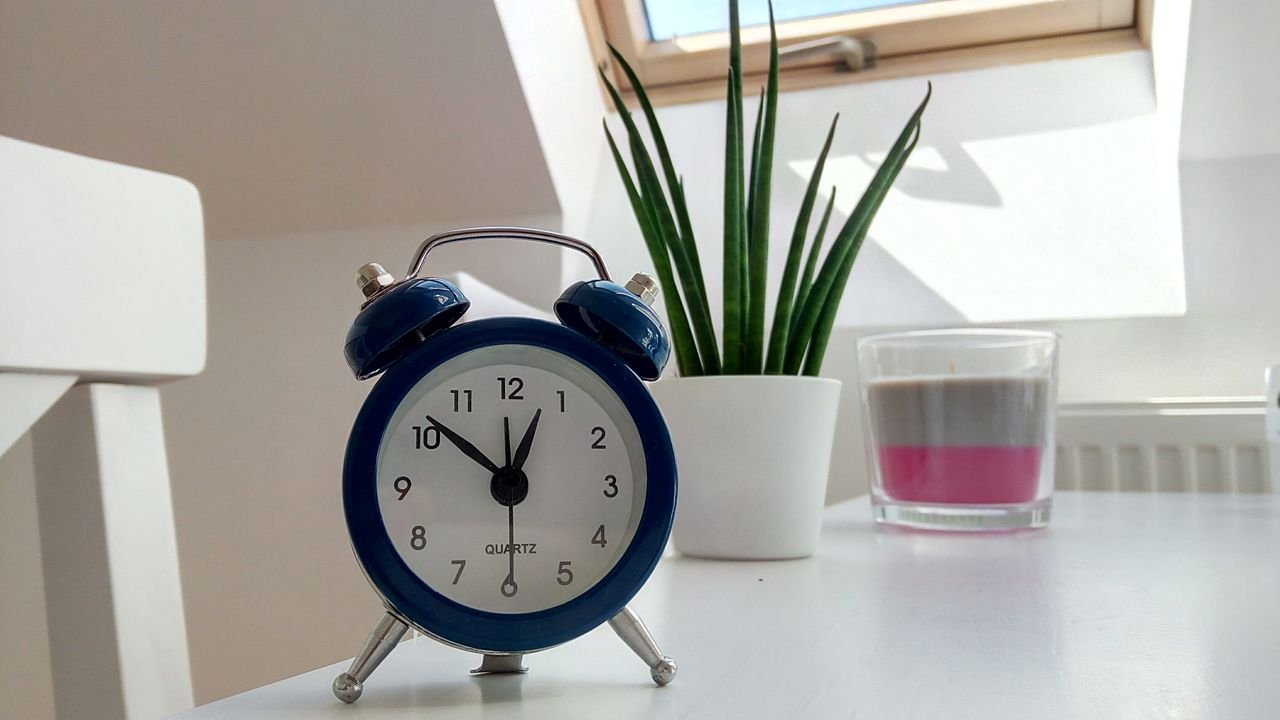
Photo: Enikő Tóth / Pexels
Start with a Clear Intent
The first step in crafting a morning routine is to decide what you truly want to achieve. Do you need more calm, a chance to exercise, or a moment to plan the day? Write down one or two priorities and keep them visible—on a sticky note, a phone screen, or a small whiteboard. This intent guides each choice, preventing the routine from becoming a rigid checklist that feels like a chore.
Choose a Realistic Time Slot
Many people aim for a 6 a.m. wake‑up, but the reality of a family, commute, or late‑night work can make that impossible. Instead, identify a window that feels natural—perhaps 7 a.m. or 8 a.m. If you struggle to get out of bed, set the alarm for a time you can comfortably reach. The key is consistency: aim to start your routine at the same hour each day, even on weekends, to reinforce the habit.
For example, a regional retailer might set the alarm at 7:30 a.m. to allow time for a quick walk around the store before opening. A ten‑person agency could wake at 8 a.m., giving the team a few minutes to check emails and outline tasks before the first meeting.
Keep the Sequence Simple
A routine that feels like a chore will be abandoned quickly. Pick three to five core actions that support your intent and fit within your time window. Here’s a template you can adapt:
The beauty of this sequence is its flexibility. If you’re short on time, skip the stretch and move straight to hydration. If you prefer to start with a mental reset, swap the order of reflection and hydration.
Use Tools That Work for You
Digital alarms, simple timers, or even a physical alarm clock can prompt each step. If you find yourself drifting, set a reminder on your phone to signal the next activity. For those who enjoy a bit of structure, a printable checklist can be taped to a bathroom mirror or fridge.
A small agency might use a shared digital board where each team member marks completed steps, fostering accountability without micromanagement. A regional retailer could keep a handwritten list on the back of the store’s sign, reminding staff to hydrate and stretch before opening.
Adjust, Don’t Overhaul
The first month is a testing period. Notice which parts of the routine feel forced and which feel natural. If a stretch feels too long, shorten it. If planning feels rushed, move it to the end of the routine. The goal is a routine that supports your day, not one that feels like a chore.
When life throws a curveball—a sudden meeting, a late‑night project, or a family need—don’t abandon the routine entirely. Instead, trim or swap a step. For instance, replace a 10‑minute walk with a 5‑minute breathing exercise, or postpone reflection until after lunch.
Celebrate Small Wins
Acknowledging progress reinforces the habit. At the end of the week, review how many days you completed at least three steps. Celebrate the consistency with a small reward—perhaps a favorite coffee or a short walk outside. Positive reinforcement keeps the routine alive.
Over time, the routine becomes a cue that signals the start of productivity and well‑being. It doesn’t need to be perfect; it just needs to feel right for you and your lifestyle.
General information only, not personal financial, legal or career advice.