Local Supply Chains Deserve a Second Look
We argue that reshoring and regional sourcing can strengthen resilience, foster community, and create sustainable growth for businesses.
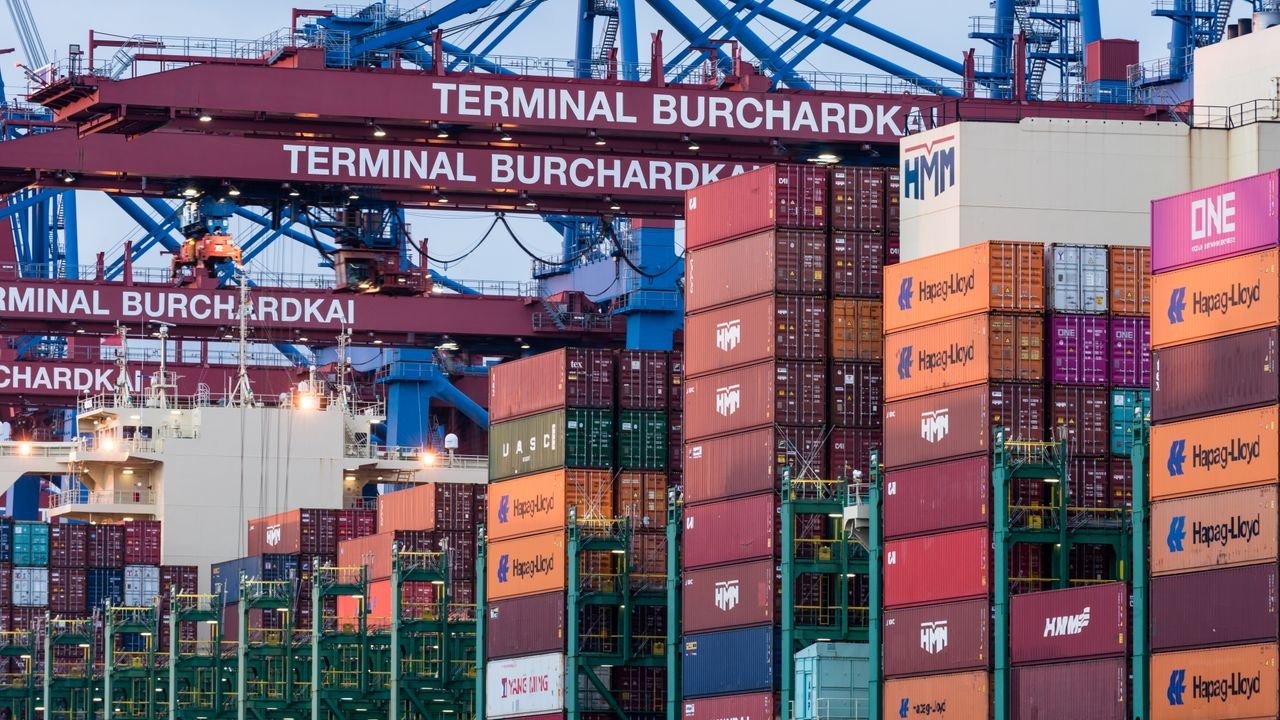
Photo: Wolfgang Weiser / Pexels
Why Local Matters
When a disruption hits a distant supplier, the ripple effects can halt production, delay deliveries, and erode customer trust. By turning to nearby partners, companies gain greater visibility into inventory levels, quality controls, and logistical timelines. Shorter distances also mean faster response to changes in demand, allowing firms to pivot without the lag inherent in long‑haul shipping.
Beyond risk mitigation, local sourcing injects capital back into the community. When manufacturers purchase raw materials from regional producers, they support jobs, stimulate ancillary services, and nurture a network of interdependent businesses. This creates a virtuous cycle where prosperity in one sector lifts another, reinforcing the economic fabric of the area.
Economic and Environmental Upsides
Transporting goods across continents consumes fuel, generates emissions, and adds layers of handling that increase the chance of damage. By sourcing closer to home, firms can reduce their carbon footprint and lower transportation costs, freeing resources for investment in product innovation or employee development.
Local supply chains also encourage collaboration on sustainability initiatives. Proximity makes it easier to align on waste‑reduction practices, share renewable energy resources, and implement circular‑economy principles that would be far more complex at a global scale.
The Counterpoint: Global Scale and Cost Efficiency
Critics argue that international sourcing offers unparalleled variety, economies of scale, and price advantages that local options cannot match. They point out that some specialized inputs simply do not exist domestically, and that the breadth of global markets enables firms to stay competitive on price.
We acknowledge that these benefits are real and that a blanket retreat from global markets is neither practical nor advisable. The challenge is to balance the undeniable efficiencies of scale with the strategic need for resilience and community investment.
A Balanced Path Forward
The solution lies in a hybrid approach. Companies should conduct a thorough audit of their supply chain to identify critical components where local sourcing can deliver the greatest risk reduction and community impact. For non‑essential items, maintaining diversified global suppliers can preserve cost advantages while still providing backup options.
- Map out which inputs are strategic and assess the feasibility of regional alternatives
- Build relationships with local vendors that share quality and sustainability standards
- Create contingency plans that blend local and global sources
- Invest in technology that enhances transparency across the entire supply network
By thoughtfully integrating local partners where they add the most value, firms can enjoy the best of both worlds: the agility and goodwill of regional networks, combined with the breadth and pricing power of global markets.
We recommend that business leaders prioritize a supply‑chain review, set clear criteria for local engagement, and allocate resources to develop those relationships. In doing so, they will not only safeguard their operations against future disruptions but also contribute to a more robust, sustainable economy for the communities they serve.
General information only, not personal financial, legal or career advice.